When we talk about data centers, many people think primarily of servers, cables and cooling. The reality is much more complex than that. A modern data center is now a matter of energy, environmental protection, regulation and urban planning at the same time. This is especially true in Hungary, because the developments of the coming years will be determined not only by technology, but also by network capacities, water use and EU expectations.
One of the biggest constraints today is the electricity grid. The operation of data centers requires a continuous, large and stable power supply. This means a completely different load profile than many other industrial consumers. The problem is not only that energy is expensive, but also that many places simply do not have enough network capacity in a form that is readily available.
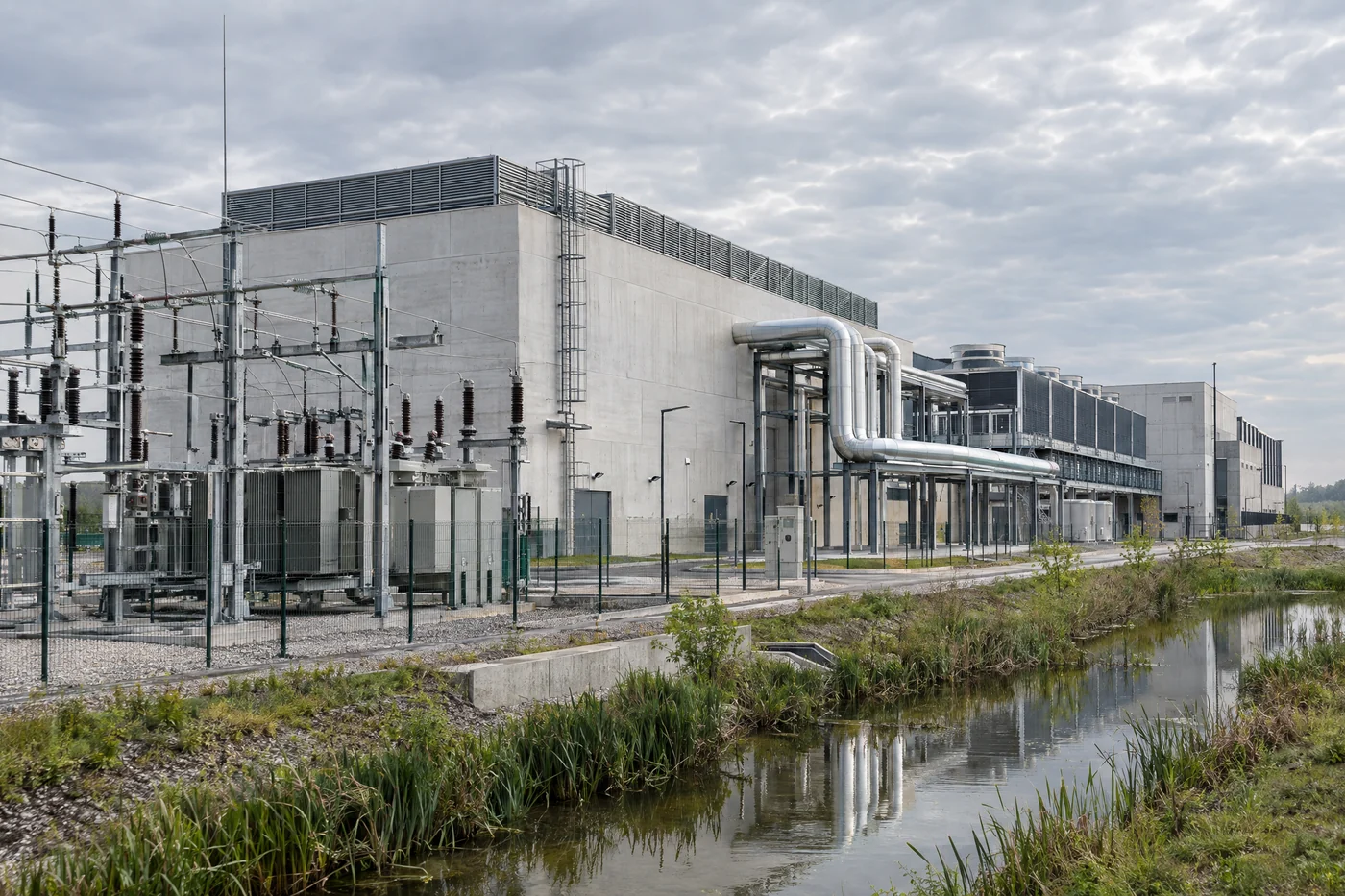
In practice, this means that in the case of a new data center, the network connection alone can be a significant cost. In addition, the larger a project, the more serious preparation, investment and waiting time the connection may require. For this reason, a new approach is increasingly coming to the fore: the data center should not be treated merely as a consumer, but as a partially independent energy management unit.
Storage, on-site generation and intelligent energy management can help address grid constraints. Their benefits depend on sizing, demand profiles and operating strategy. Funding opportunities need to be assessed against the current programme terms.
Another critical issue is water. In the case of data centers, the improvement of energy efficiency has often been accompanied by an increase in water consumption, especially for certain cooling technologies. However, this is an increasingly less sustainable direction, especially in a country where the summer heat, drought periods and the strain on water bases are an increasingly serious issue.
Therefore, it is no longer enough to just monitor energy consumption. The amount of water a facility uses during its operation is also of increasing importance. In the industry, this is usually measured with the WUE indicator. The trend is clear: the data center of the future must not only save energy, but also save water.
A possible answer to this is the recycling of gray water and treated industrial or municipal wastewater. This may sound unusual at first, but it is actually a very logical direction. If the appropriate cleaning and filtration technologies are available, the cooling systems of data centers can partially relieve the drinking water network. Such a model can be not only more sustainable in the long term, but also more reliable.
EU rules seek greater transparency about energy and resource use in covered data centres. Reporting scope and required indicators must be determined from the facility’s characteristics and applicable rules.
This situation fundamentally transforms the thinking of developers and operators. In the coming years, those data centers will be competitive that, already at the moment of planning, take into account strict energy efficiency and water management requirements, the utilization of waste heat, and the integration of renewable energy and storage.
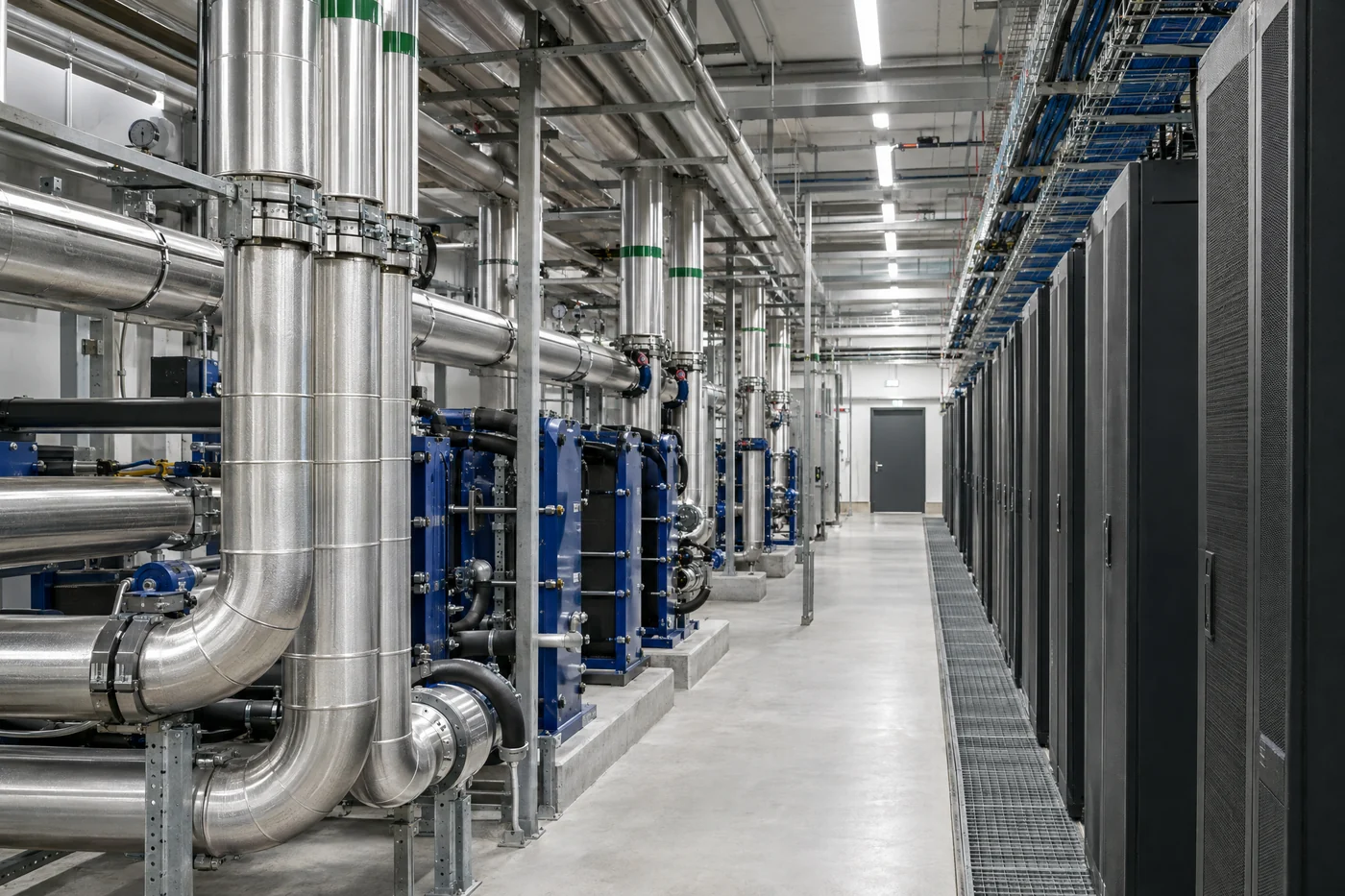
The issue of waste heat is particularly exciting from this point of view. Heat can be recovered from modern liquid cooling systems, which can already be usefully reused. This means that a data center can not only be an energy consumer, but also a kind of heat generating unit that can support surrounding industrial facilities, greenhouses or even district heating networks. This circular thinking is one of the most important elements of the future.
Developers should plan a data centre as an integrated energy and technology system. Alongside available land and server capacity, long-term power supply, water demand, compliance and operability are decisive.
Hungary has opportunities in the data centre market, but success is not automatic. Heat loads, grid constraints, water risks and regulatory requirements need coordinated solutions. A data centre is both an IT facility and strategic infrastructure.
Energy-storage funding: check eligibility and deadlines against current official programme documents.
Regulatory background: European Commission materials explain data centre reporting and the development of further performance requirements.
Water reuse: EU minimum requirements for agricultural irrigation do not automatically apply to data centre cooling. Permitting and quality requirements for the intended water use need separate assessment.
9. Environmental advantages of liquid cooling Microsoft / Nature - Using life cycle assessment to drive innovation for sustainable cloud infrastructure