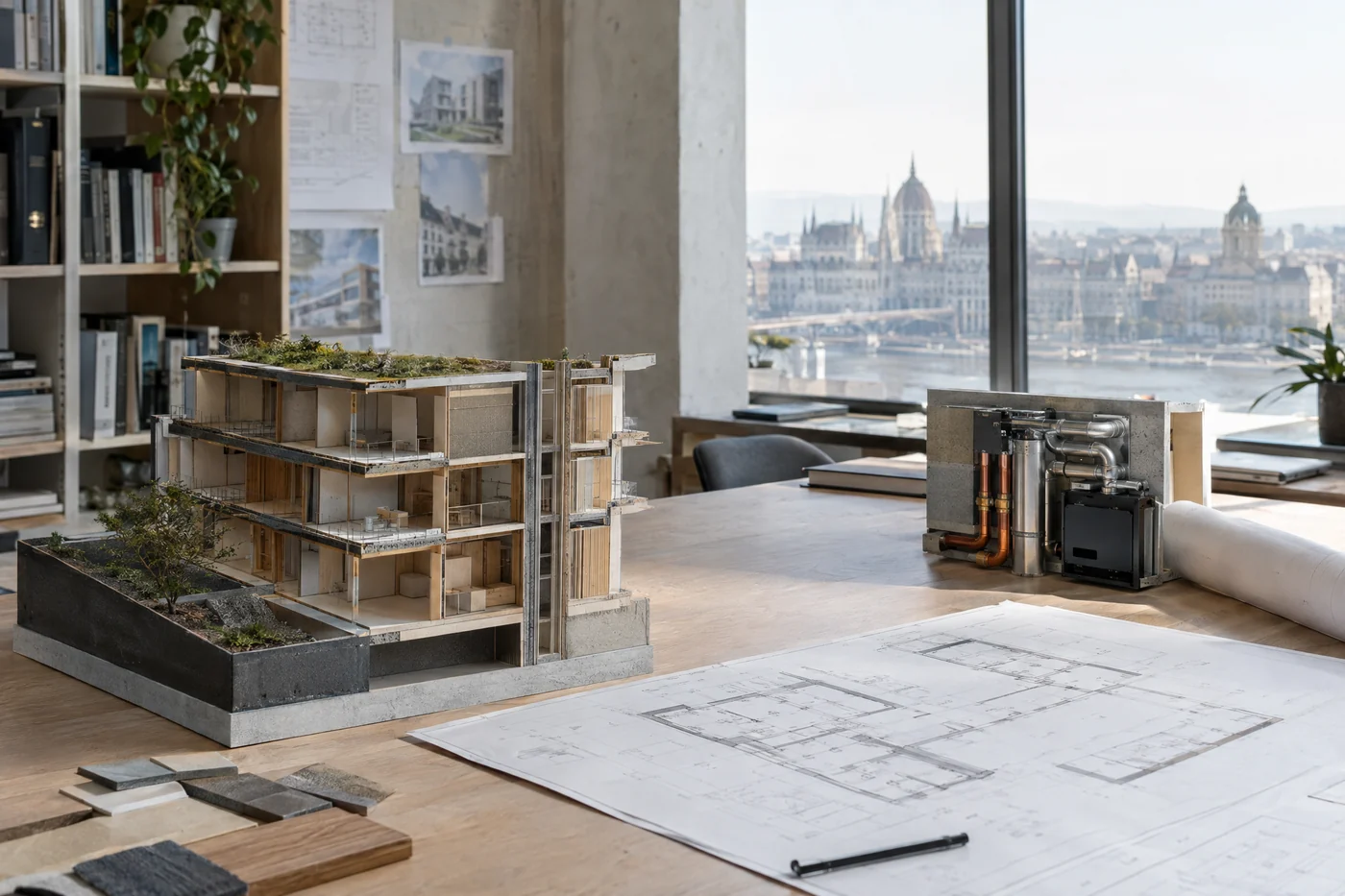
The tertiary sector in the construction industry
Construction is traditionally part of the secondary sector while relying on extractive industries and numerous services. The tertiary, or service, sector plays a major role in design, organisation and oversight.
The role of the tertiary sector in the construction industry
The tertiary sector in the construction industry is not only an additional element, but increasingly a defining part of the entire process. Services such as project management, planning, consulting, financing solutions or real estate development services are now an essential part of the industry. These sectors contribute to increasing efficiency, but they also carry risks.
The challenges: when the service creates a barrier for the construction industry
Although the integration of services can be beneficial in principle, in many cases it is precisely these that hinder the efficient operation of the industry. Administrative burdens, overly complicated licensing processes, and opaque financing structures often slow down projects rather than help them.
A typical problem is the administrative barrier encountered in construction, which can significantly extend the time course of a project. In Hungary, the authorization of a large-scale investment can take even years, while market conditions can change significantly. And this threatens the competitiveness of the industry, especially vis-à-vis international players.
The role of automation and digitization
The digitization of the construction industry is increasingly linked to the tertiary sector. BIM (Building Information Modeling) systems, project management software, and remote monitoring tools all contribute to making the industry more efficient. At the same time, the spread of automated systems can make the situation of professionals who perform manual work difficult, whose skills make them less able to be mobilized in sectors outside the construction industry.
The impact of the construction industry crisis
Construction downturns can hinder renewal of physical and intellectual capital for years. An ageing workforce, limited recognition and growing demands can compound the problem.
Expectations of professional services often grow faster than accepted fees. Timely design, advice and inspection can prevent costly errors. Their value should be assessed through their contribution to the whole project.
Conclusion: balance is needed
For the construction industry, the development of the tertiary sector means a kind of double effect: on the one hand, it increases complexity and administrative challenges, and on the other hand, it helps improve efficiency and sustainable development. The question is not whether there is a need for services in the construction industry, but how the players in the sector can avoid that administrative burdens stifle real productivity.
One of the most important tasks in future construction industry developments will be to create a balance between technological innovation, efficiency and the reduction of administrative barriers. The long-term sustainability of the market depends on the industry's ability to adapt to the ever-changing environment while maintaining productivity and innovation opportunities.