1. The era of "minimal harm" is over
A net-zero target may cover operations or the whole life cycle, so its boundary must always be stated. Regenerative design asks a broader question: how can the built environment help restore ecological and social systems?
2. From capital market rationality to regenerative return
Until now, investors have wanted to switch from CapEx to Green-CapEx, thereby collecting ESG points. However, the regenerative model requires a new ROI map. According to the 2024 resolution of the World Business Council for Sustainable Development, net-positive portfolios will compensate for higher initial costs with lower operating costs and green financing premiums in 7-15 years. wbcsd.org
All this will only be realized if the legal environment also forces the application of "life-cycle thinking" - i.e. it takes into account not only the operational but also the incarnational (built-in) carbon footprint and environmental damage. This logic is also echoed in the 2014 thesis of engineer-economist Dr. Gábor Toldy, where he revealed the correlation between construction regulations and the GDP effect.
3. Laboratory of Asia: Labrador Tower & I·PARK1
Efficient buildings and on-site renewables are important tools. An energy-positive claim requires a defined period and clear measurement boundaries; a certification label alone does not establish it.
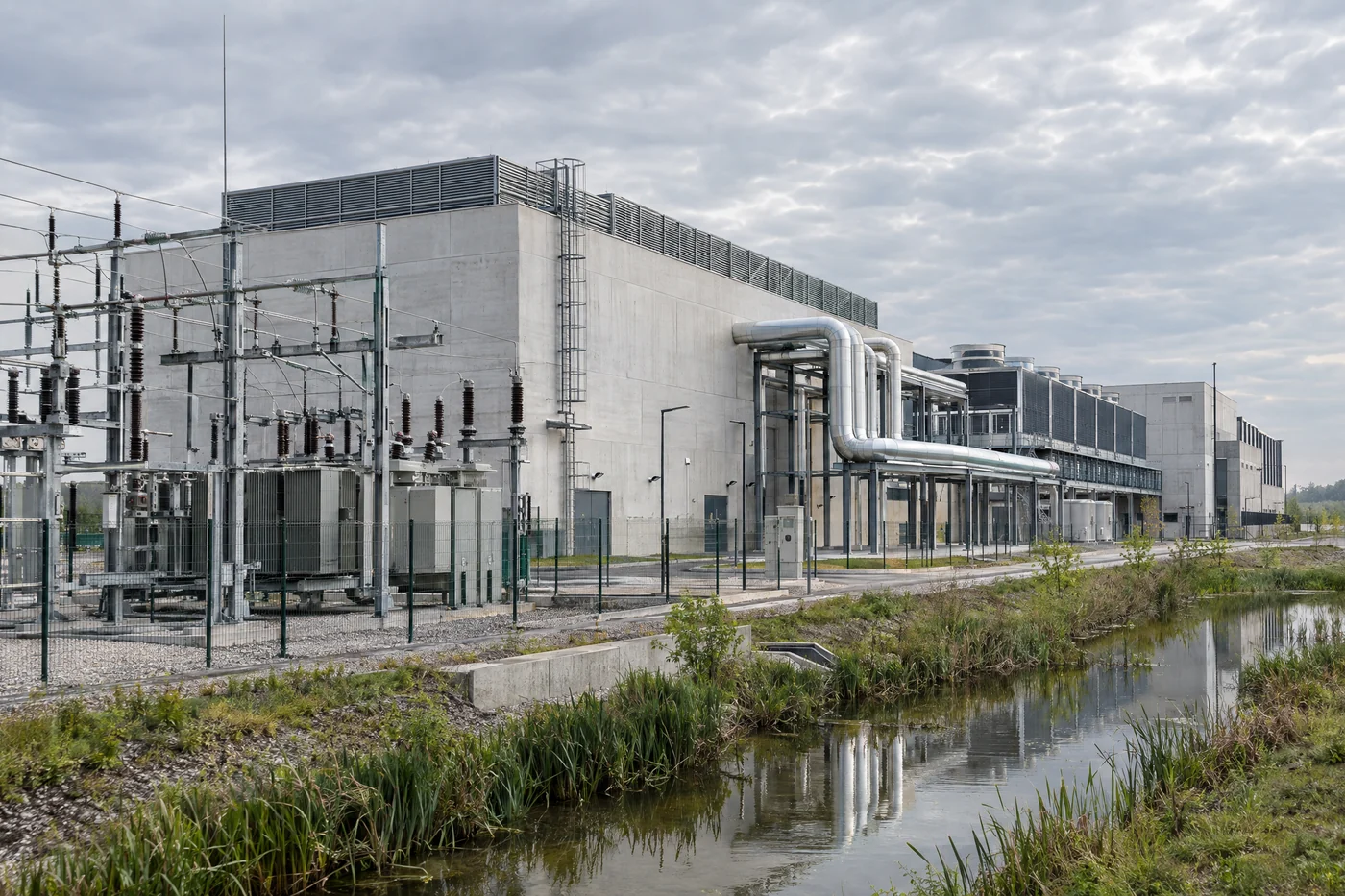
Hong Kong’s I·PARK1 waste treatment facility is based on advanced incineration and mechanical sorting. It is not a biogas or composting plant; comparing these different technologies requires suitable life-cycle data.
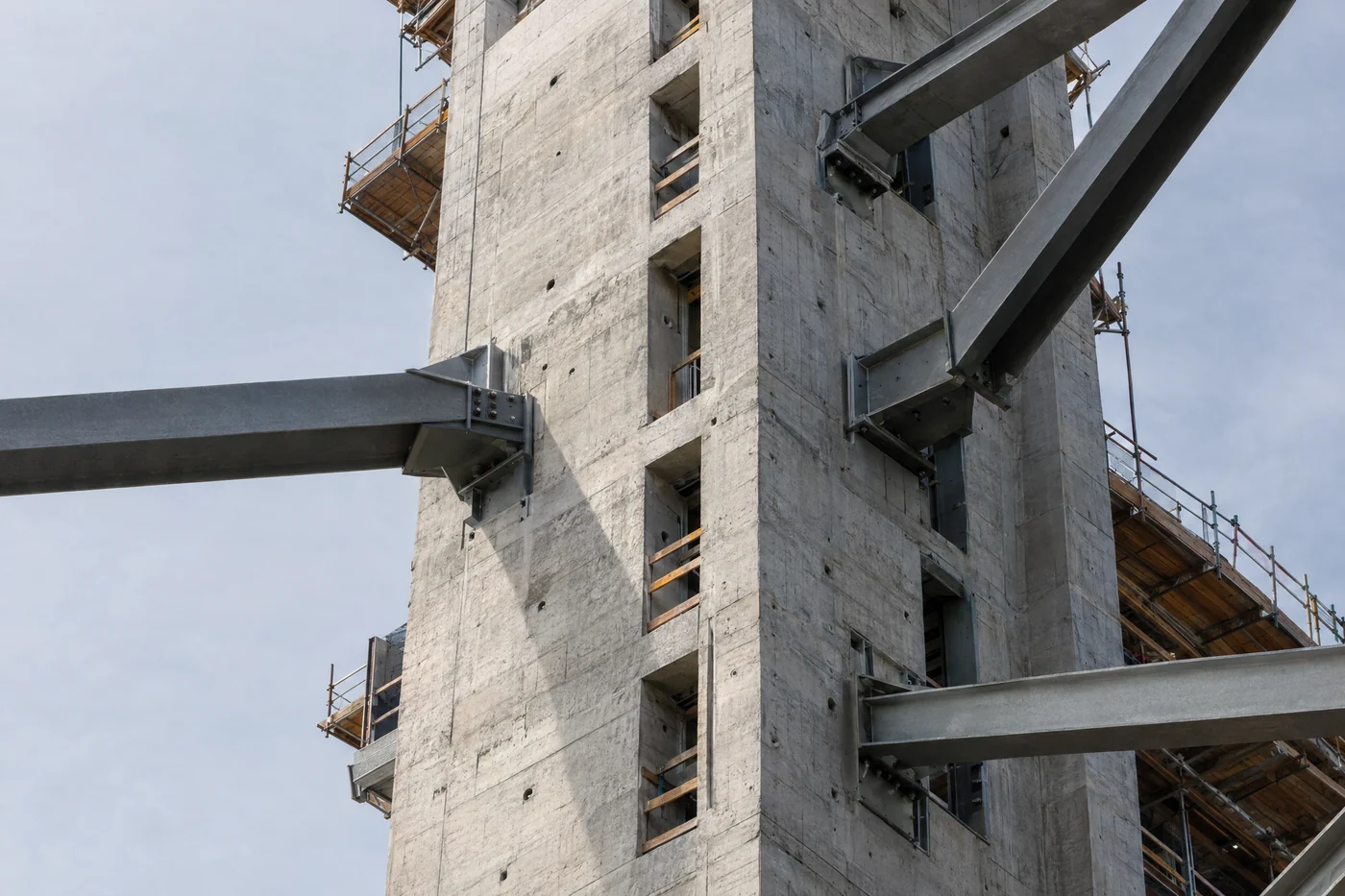
While both projects are iconic, the embedded carbon footprint of the high-strength steel and glass used in construction still raises questions. As long as the standards do not link this to a material bank (circular material passport) obligation, the net-positive label will remain partial.
4. Material and technological innovations for a real carbon absorbing building
Biochar-based concretes and bamboo composites can achieve a carbon balance of up to -250 kg CO₂/m³, but their industrial scaling is slow due to manufacturers' risk aversion. sciencedirect.com
The Living Building Challenge is a recognised certification framework for regenerative design. Requirements should be checked against the official version applicable to the project’s registration.
Digital twins and building management systems can help compare intended and actual performance. Savings should be measured against a baseline while accounting for data collection and operational intervention costs.
5. Biodiversity-friendly urban construction: returning nature as infrastructure
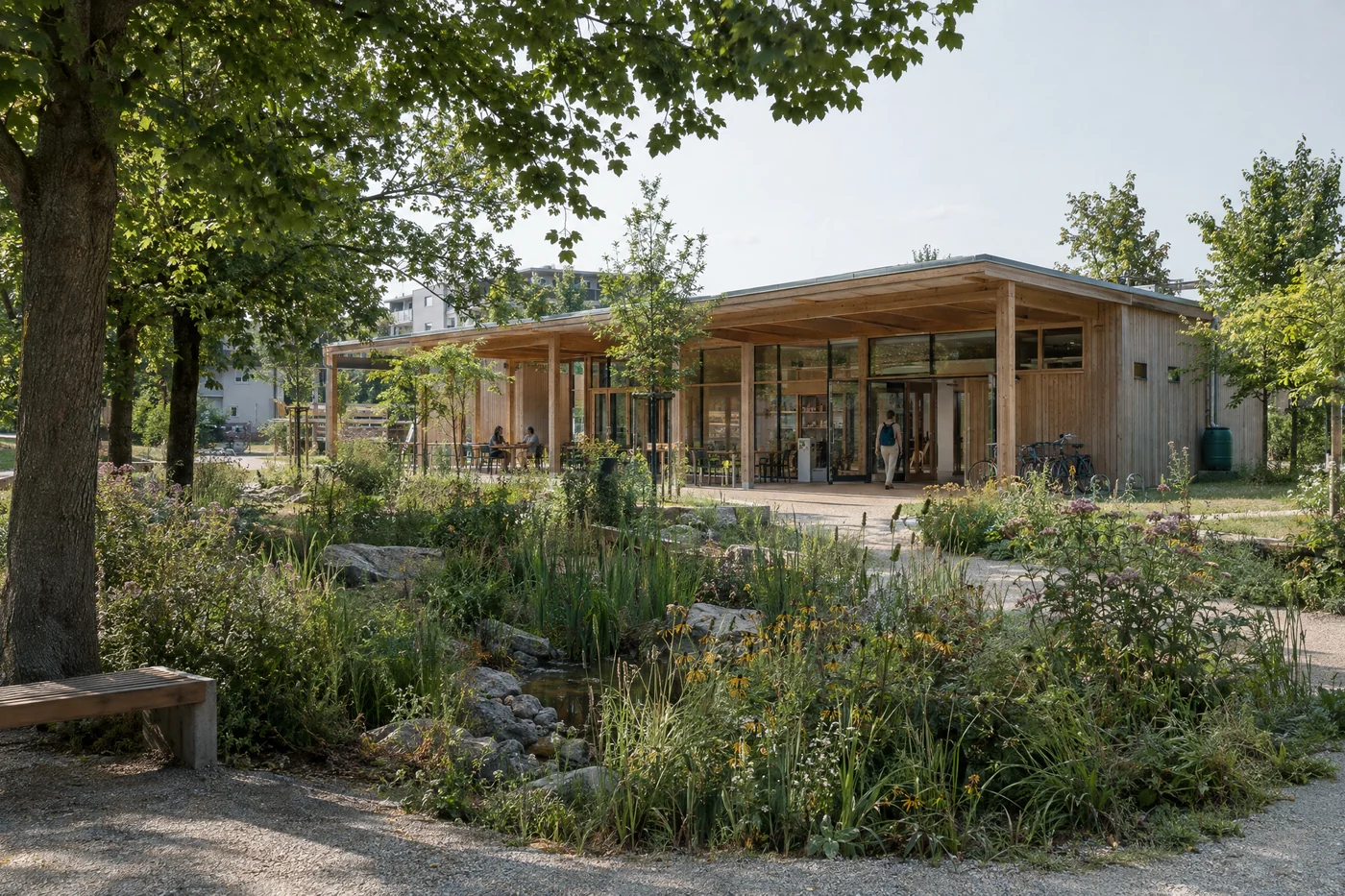
According to a 2025 comprehensive literature review, in neighborhoods with green-blue infrastructure (rooftop forests, rain gardens, urban meadows), the species richness of pollinating insects increases by up to 20-30%, and thus the value of ecosystem services (e.g. natural cooling). sciencedirect.com
Based on data from the World Economic Forum, the increase in property value in "nature-positive" neighborhoods exceeds that of traditional developments by 5 - 12% - that is, biodiversity-friendly construction becomes a direct economic advantage. weforum.org
6. Europe's response and the domestic lesson
Public buildings can demonstrate measurable environmental goals. Intended performance must, however, be distinguished from results measured after completion.
In Hungary, however, even the "close to zero" requirement has not been fully incorporated into practice. Without transparent cost-life-cycle analysis and building information models (BIM) being mandated, investor incentives will be distorted and 'green painting' will remain cheaper than true regeneration. Dr. Gábor Toldy's 2022 analysis also warned that the soft legal environment will undermine GDP in the long term - due to gray and black market chains.
Possible policy directions – the following are proposals, not current legal requirements
Full life cycle cost and carbon accounting (LCC+LCA) at the regulation level.
Regenerative material benchmark: from 2028, a minimum of 20% biogenic or up-cycled material in all state investments.
Living green-blue infrastructure quota: the plot area min. 40% of it is ecologically active surface.
Digital twin + open data: real-time energy and water monitor for all buildings larger than 5,000 m².
Community benefit balance: mandatory social impact assessment (local workplace, climate-resilient public spaces) for the occupancy permit.
8. Conclusion
Regenerative architecture is not a "marketing luxury", but a future-proof model of city management - especially in an economy where the fossil-based energy price shock and the biodiversity crisis threaten competitiveness at the same time. The real measure is no longer how much harm we do not cause, but how much value we create for the ecosystem and society.
Regenerative thinking becomes valuable when design decisions are tied to measurable goals, verifiable outcomes and long-term responsibility.
Sources
http://businessinsider.comlabradortower.com
http://greendigitalcoalition.eu
http://european-union.europa.eu
https://www.epd.gov.hk/epd/english/environmentinhk/waste/prob_solutions/WFdev_IWMF.html