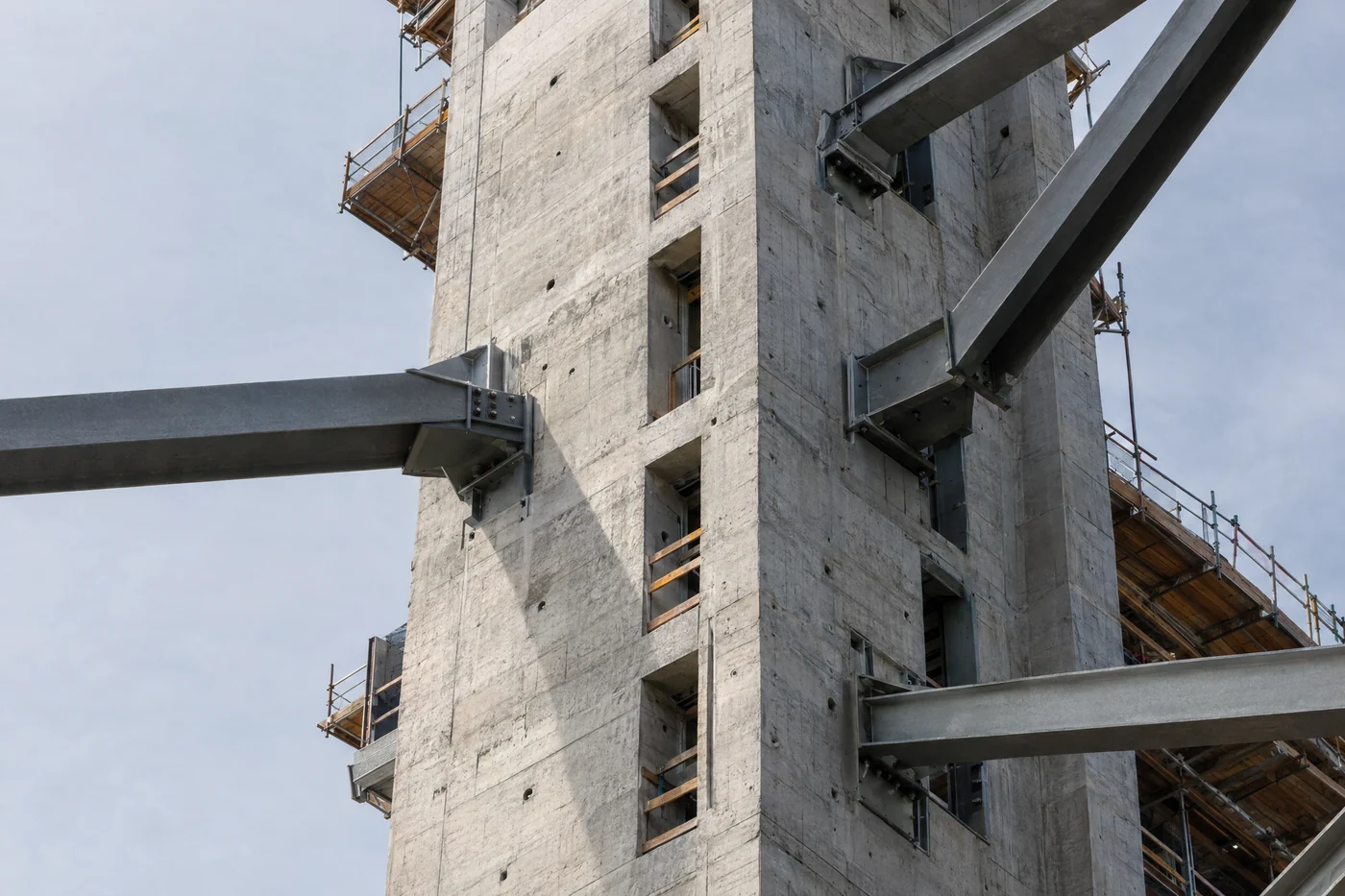
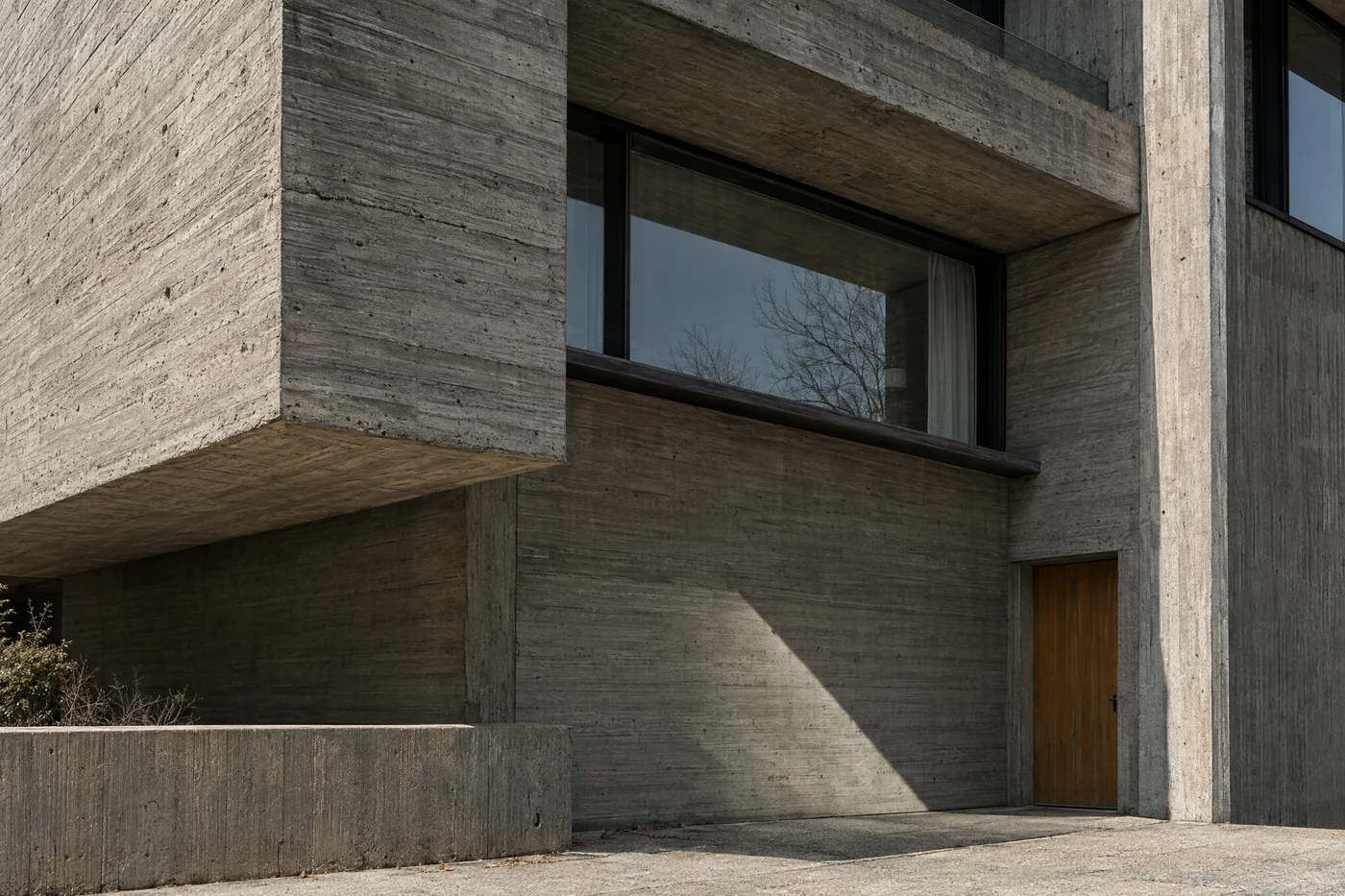
The XX. Ernő Goldfinger and Marcel Breuer were the defining figures of Brutalist architecture that developed in the second half of the 20th century. Both of them pushed the limits of architecture with their radical solutions and left behind iconic works that still inspire contemporary designers. Their works not only had aesthetic value, but were also forward-looking in terms of technological innovations. But what obstacles did these architects face and what were the criticisms of their works in that era?
Goldfinger: The Consistency of Functionalism
Hungarian-born architect Ernő Goldfinger was one of the outstanding figures of the modernist movement, who prioritized strong structural forms, the monumentality of concrete and functionalism. Among his most famous works is the Trellick Tower in London, which became one of the emblematic works of Brutalism.
Goldfinger's architecture often met with resistance. In the 1970s, his works received a lot of criticism from the public, who felt the brutally raw concrete forms were harsh, inhuman and alienating. Brutalism, in an artistic and sociological context, was an attempt to create a functioning, structured environment for modern cities, but the inhabitants often experienced it differently. However, with the passage of time, Goldfinger's works are increasingly recognized and considered iconic works.
Breuer: The Concrete Room
Marcel Breuer, a major Bauhaus figure, made lasting contributions to architecture and furniture design. The Whitney Museum building in New York, opened in 1966, is a distinctive example of his powerful architectural language. Monumental surfaces and unusual massing work together to shape its character.
Breuer's works could not escape criticism either. In the 1960s, brutalism was interpreted by many as a symbol of the repression of the Cold War period, which is why the general public received it with a distance. In addition, the maintenance costs were higher than expected, as the raw concrete became dirty over time and its maintenance proved to be more expensive.
Innovation and Impact
The works of Goldfinger and Breuer clearly contributed to the evolution of modernist architecture. Brutalism was not just a style, but a way of thinking that emphasized materiality and function. Despite the attacks of the environment at the time, more and more people nowadays recognize the aesthetic value and social role of Brutalist buildings.
Brutalism is no longer only the 20th century. a passing fashion of the 20th century, but a defining chapter in the history of architecture. The works of Goldfinger and Breuer prove that bold innovation often goes against the expectations of the time, but shapes the world in the long term.
Compiled by Toldy Construct
Source: https://www.hungarianconservative.com/articles/culture_society/the-brutalist-who-is-the-real-laszlo-toth/ https://en.wikipedia.org/wiki/Whitney_Museum#/media/File:Whitney_Museum_of_American_Art_(49051573133).jpg