The European context
Many people tend to see the European housing crisis as just a problem in Western European cities. This is a fundamental mistake. The crisis unfolding across the continent has become systemic, and Hungary is no exception.
In the plan presented by the European Commission in December 2025, it itself admitted: Europe is struggling with a housing crisis as well as a social crisis. According to commission data, house prices in Europe have risen by more than 60 percent since 2013, while rents have increased by around 20 percent. According to Dan Jørgensen, the commissioner responsible for energy affairs and housing, the number of newly built apartments in the EU should be increased by at least 650,000 per year.
The Hungarian reality
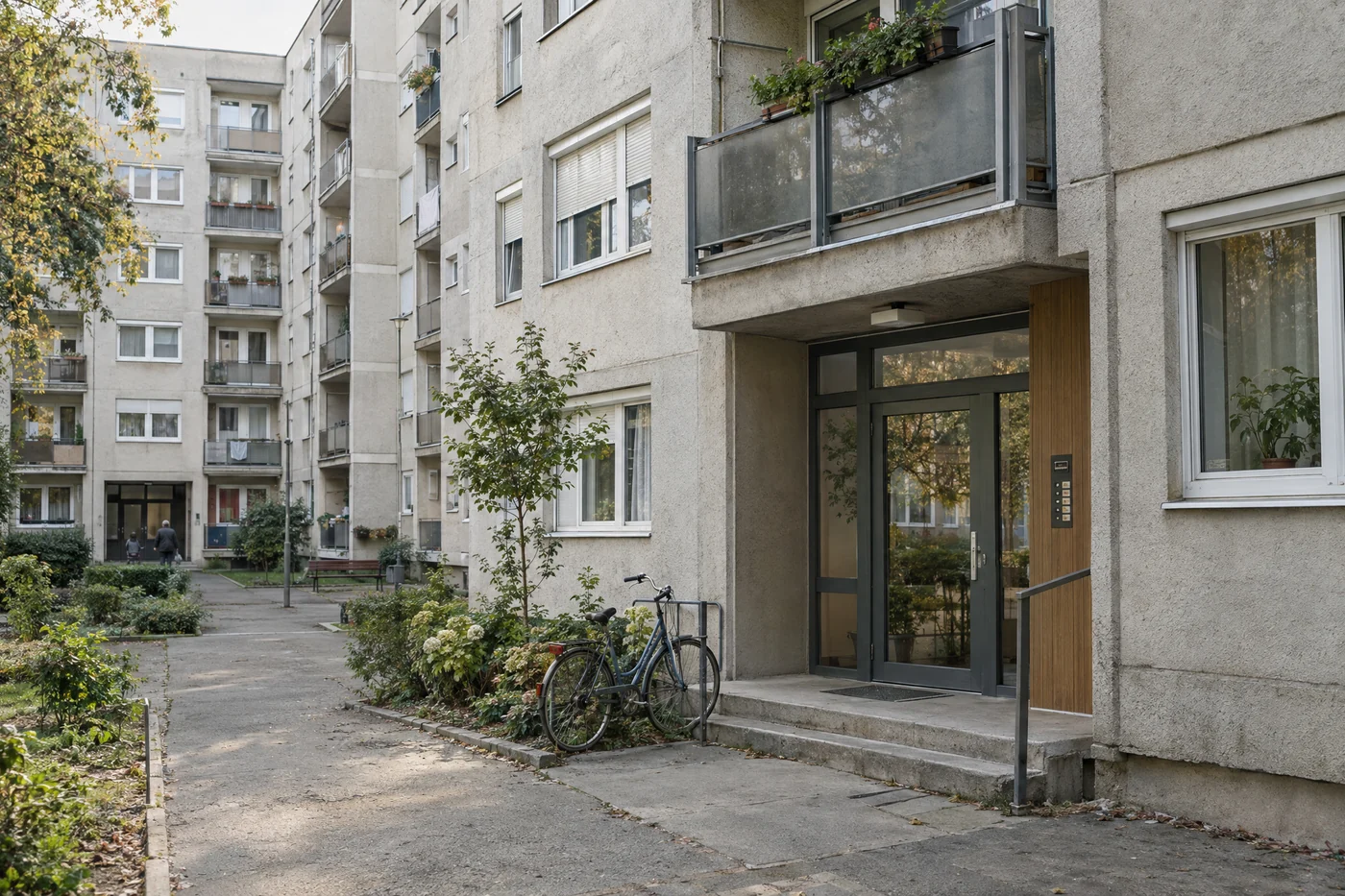
According to Habitat for Humanity Hungary's 2025 Housing Report, about 30 percent of the Hungarian population, nearly 2.9 million people, live in some form of housing poverty. The building stock is old, the energy efficiency gap is significant, and some of the housing policy tools have so far heated the market rather than balanced it.
Quality and regulatory balance
Both new and renovated homes need quality that can be maintained for decades. This is a technical and economic issue: poor construction may appear cheaper initially but can lead to more repairs, higher operating costs and a shorter service life.
At the same time, regulation should not be overdone. Over-regulation is counterproductive: it makes construction more expensive, slows down processes, and ultimately fewer apartments are built. The goal is to create a regulatory environment that guarantees quality without making implementation impossible.
The problem of margins
Developer profit, contractor margins and design fees are different measures. Comparisons require a common basis and an understanding of the risks involved. Remuneration should make responsible design, effective technical oversight and durable quality possible.
This distortion is harmful in several ways:
Remuneration should reflect both the value contributed and the responsibility assumed.
Designers and contractors doing actual professional work are underfunded
Risk tolerance and profitability are inversely proportional to each other
For the sector, this is unsustainable and demotivating in the long term
If we are serious about solving the housing crisis, then rethinking margins, making the value chain more transparent and valuing actual professional work is essential.
What is the rational Hungarian answer?
The domestic response must rest on several pillars:
Housing policy should do more than increase the number of new homes. Buildings need to remain useful for decades, be maintainable and have affordable operating costs.
Balanced regulation - quality assurance without overregulation
Transparent pricing and fair margins - recognition of professional work and risk bearing
Consumer protection and market transparency - as planned by the EU
Strategic sector appreciation - the construction industry is not an administrative side area
Summary
For Hungary, the housing crisis is not a theoretical debate, but a very practical issue. The European example clearly shows: this is not a Hungarian specialty, but a continent-wide structural problem that requires coordinated, long-term and comprehensive responses.
The solution cannot be a single campaign-like program. There is a need for quality guarantees, balanced regulation, and for all actors in the value chain to receive a fair share - especially those who do the actual professional work and bear the risk.
Links:
https://www.portfolio.hu/ingatlan/20251217/tortenelmi-lepesekre-keszul-az-eu-a-lakhatasi-valsag-miatt-806778
Sad numbers have arrived: 3 million Hungarians live in housing poverty, here is the shocking detail: https://www.portfolio.hu/ingatlan/20251126/szomoru-szamok-erkeztek-3-millio-magyar-el-lakhatasi-szegenysegben-ime-a-megrazo-reszletek-802108